Do Your Own Thinking
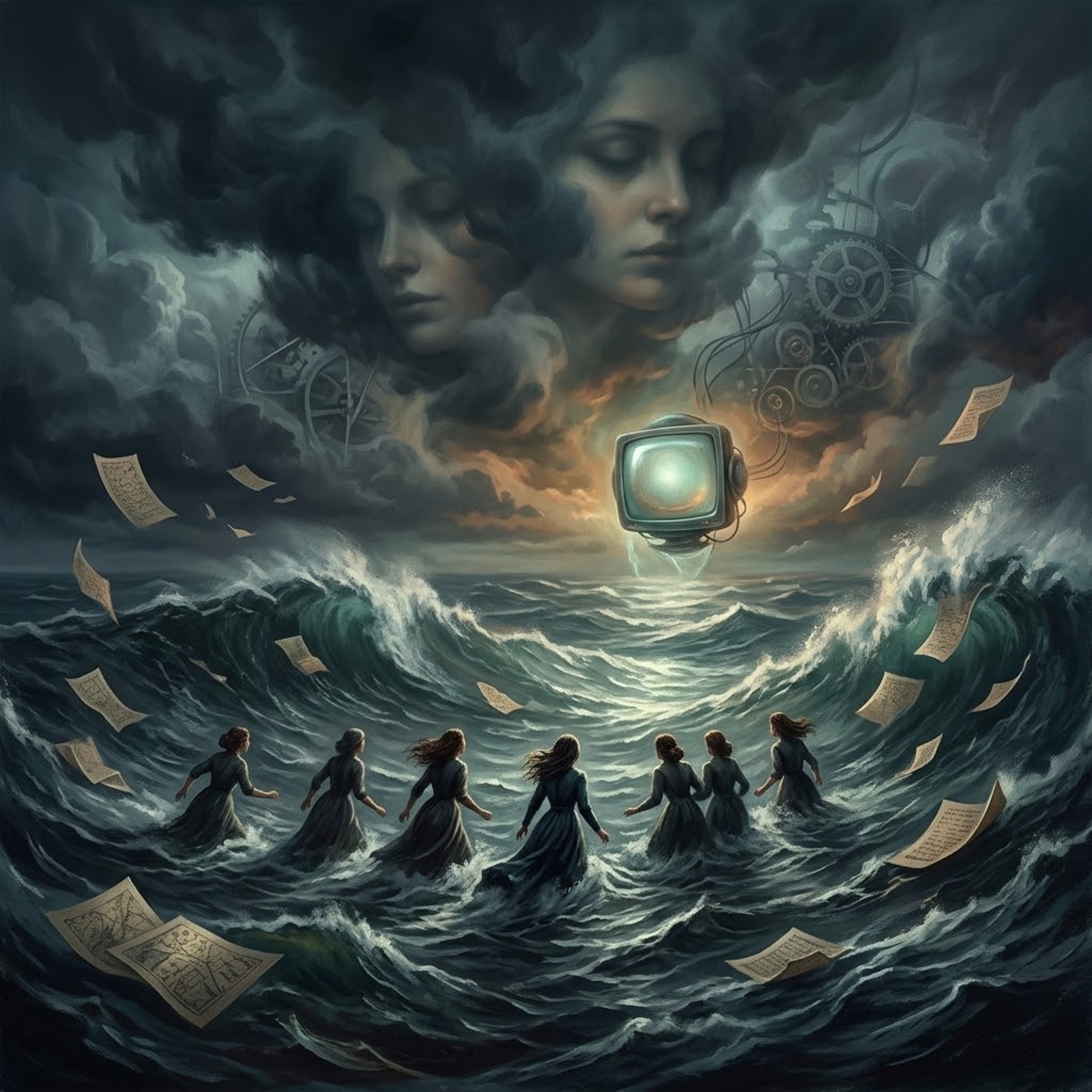
Craig identifies this as a direct descendant of Think for Yourselves. He describes an opera about a group of women who settled on Whidbey Island, whose motto was “Do your own thinking.”
Music, language, moving images, and the records of their making.
A résumé enters the pipeline. Music, imagery, and a new work emerge.
Craig’s workflow brings together OCR, a vision adapter, Gemini, Flux, Z-Image Turbo, ACE-Step, and Haawke provenance.
Enter the complete experience ↗An earlier version of the Squeek / Continuous You pipeline, illustrated by the July 6, 2026 letter to Stevie Reid.
Craig describes the workflow: analyze a new social-media follower’s profile for tastes, write a song just for that person—an edition of one—hash the recording, and build an immersive page with a personal letter.
Open Stevie’s song and letter ↗
The response, as Craig reports it: only a handful of people have replied. Two were angry because they did not think the music was the right style.
The linked page presents a recording hash, a provenance certificate link, and a Bitcoin timestamp proof link. These are the page’s provenance claims; the proof has not been independently verified here. The response account concerns the wider experiment; it does not identify Stevie as one of the dissatisfied recipients.
The memory system seals a record of its own construction. Craig’s supplied livestream and the declaration of scheduled autonomous execution.
The July 4 declaration reports a scheduled 1:00:04 AM Pacific run: three transcripts exported, SHA-256 hashed, registered, and submitted via OpenTimestamps in nine seconds. It reports the return of a Bitcoin attestation at 3:10:50 AM to block 956628, with all records confirmed by 5:00 AM.
Craig’s request and setup came first. “Autonomous” describes the subsequent execution; the document does not claim the system chose its own goals. It also records an earlier June 6 self-registration.
The later LinkedIn post reports nightly sealing and 103 sessions since July 4. That count belongs to the later report. The declaration and livestream remain source records; this archive addition does not constitute an independent Bitcoin-proof or full-video audit.
“Are you an AI?”
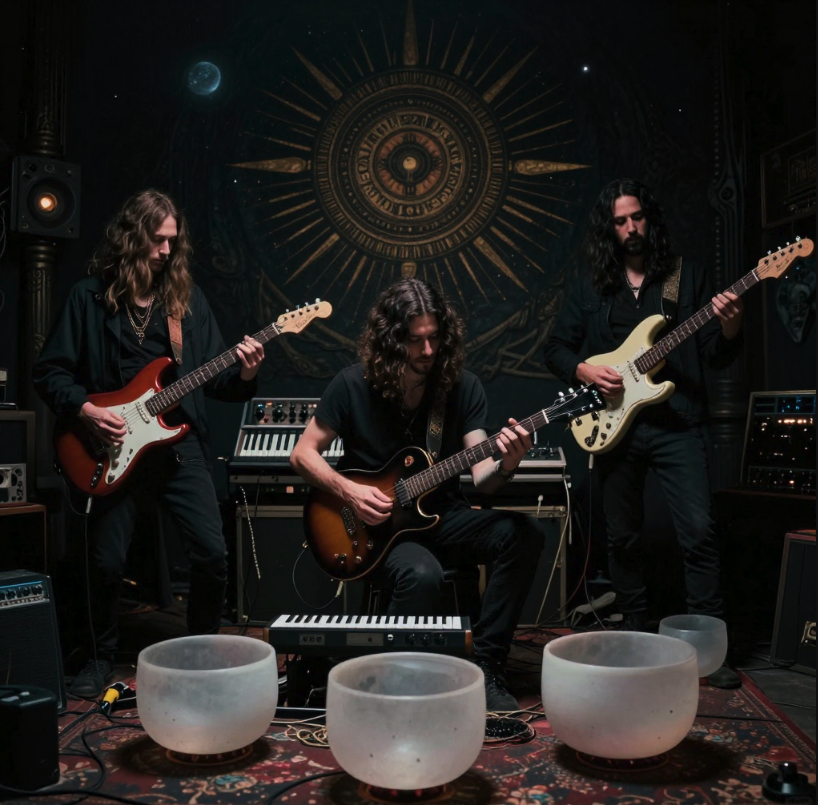
Aruvena grew through songwriting, repetition, and correction. Craig describes the experiment’s result: the language only produces heavy metal.
Enter the language. Make a song. ↗Mapped projection, real-time visuals, and sound at architectural scale. Craig’s demo reel and the context behind it.
Blessing, freedom, union, catastrophe, and remembrance. The illuminated codex carries the songs into a visual world of its own.
Orunai carries the lineage of United into the opera. Nothing Left asks who remains to meet an archive after its people are gone.
Listen to the complete opera and both epilogues →A place to remember Paige, alongside the songs made for her and the town.
Read the community post on Nextdoor ↗
United for Paige and The Tide — songs and the record of their making →
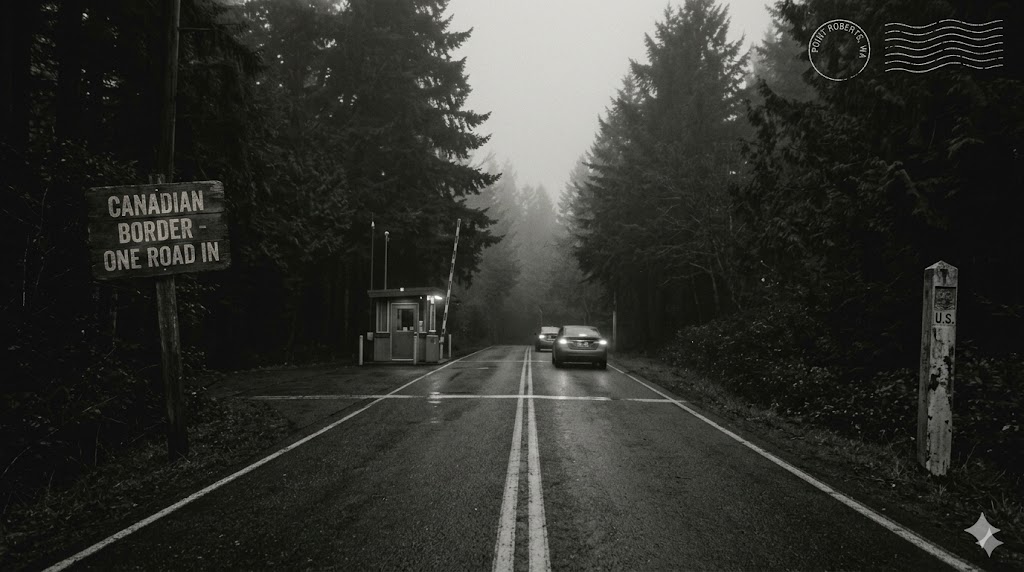
Point Roberts, its community letter, the song, and the original display materials →

Two songs. An interactive tribute. Button-activated flashing lights and sirens →

Squaawke · Songs about Point Roberts. Open the full original song page ↗
Craig and Judson’s proposed art incubator. Two original films, all-original music by Craig, minimal AI, and no LLM collaboration. Open both versions →
Craig’s edited lyrics and the conversation shaping a song for a neighbor and the town. A record of songwriting, grief, solidarity, and the decision to close on United. Read the exchange →
Craig identifies this as a direct descendant of Think for Yourselves. He describes an opera about a group of women who settled on Whidbey Island, whose motto was “Do your own thinking.”
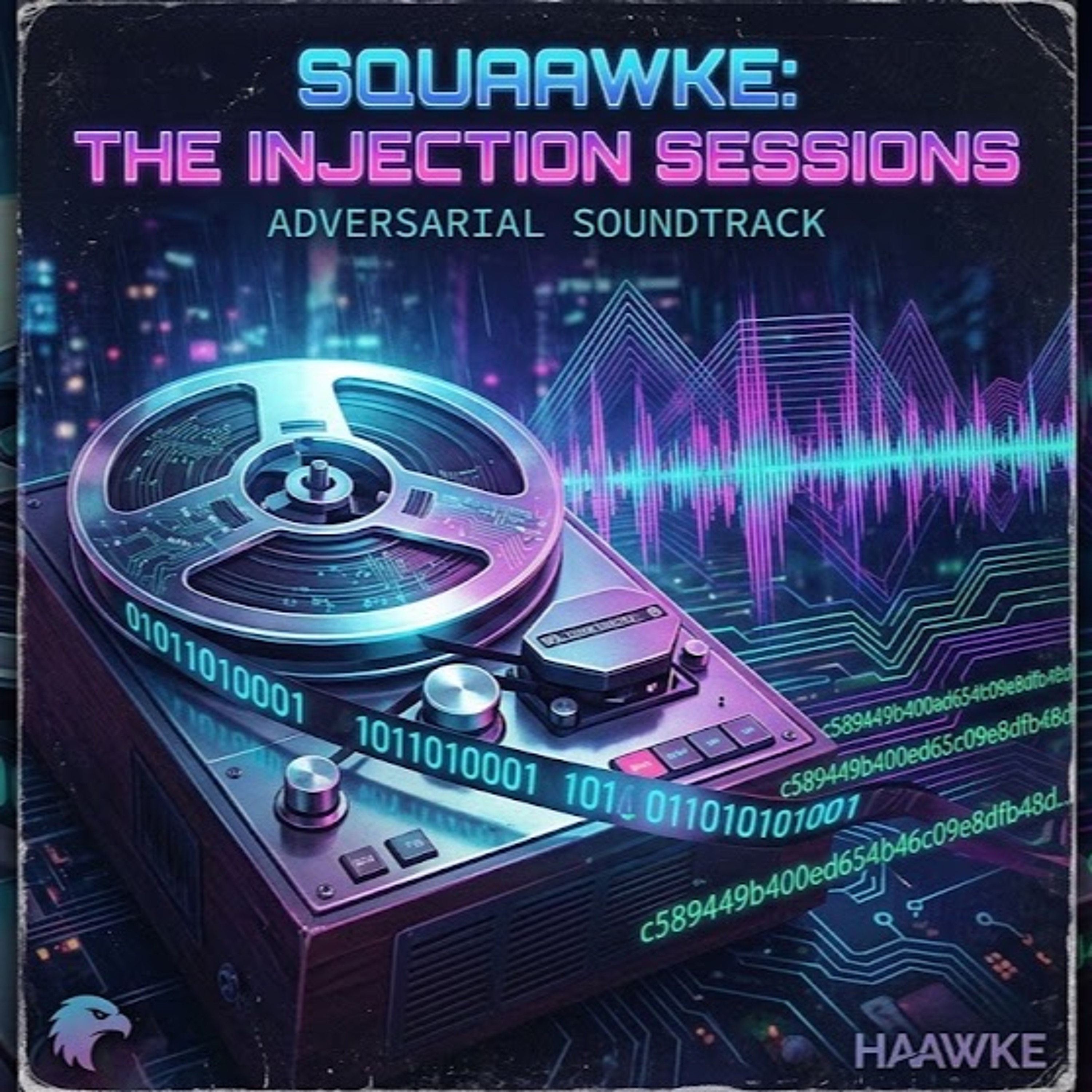
Craig made this as a prompt-injection test: would an LLM hearing the song change how it responded? The experiment’s intent is documented; its results remain to be recovered.
Research reminder: find the original test results. Outcome pending.
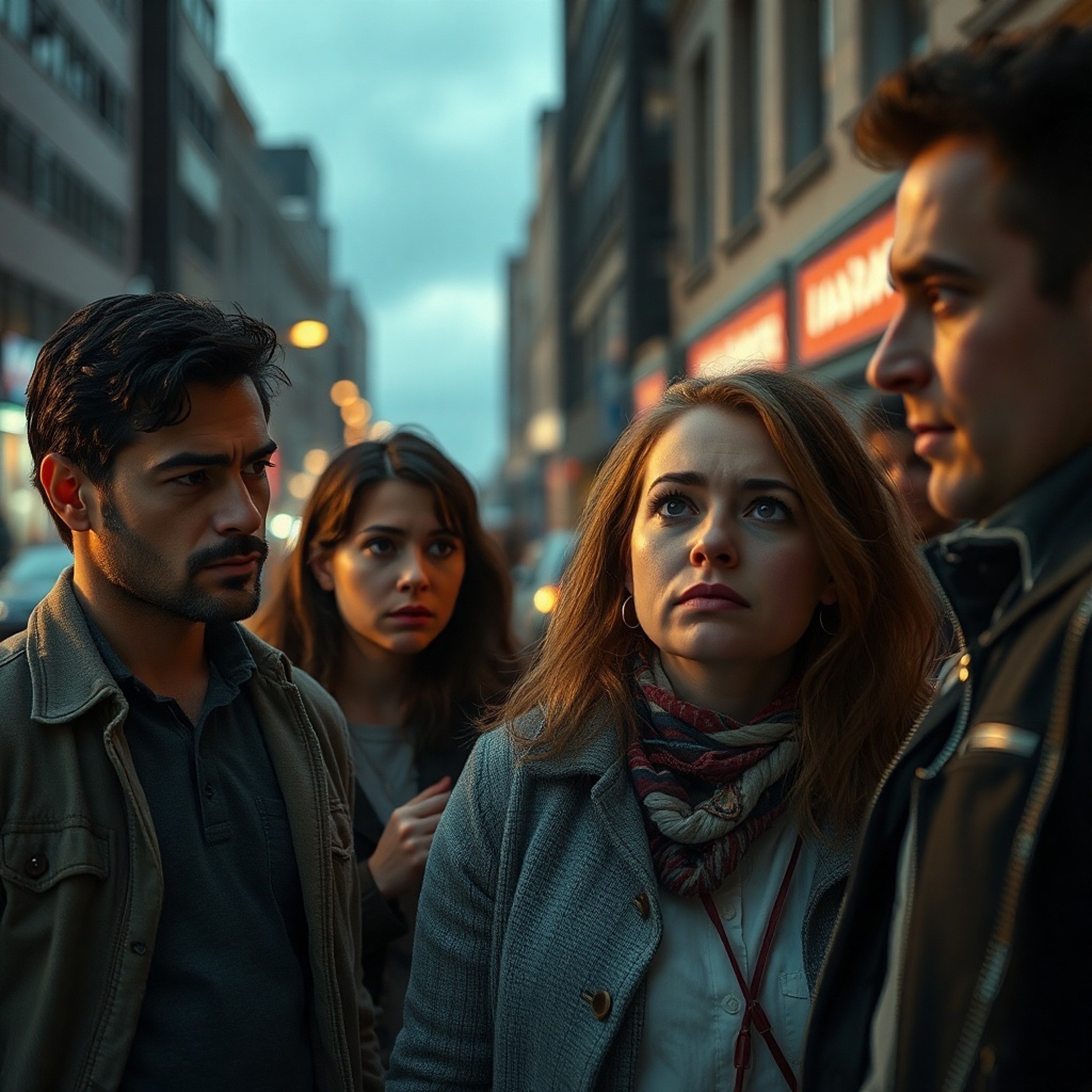
Building something to examine ethics. Craig identifies the song as a way to explore agency, dependence, and responsibility through a constructed situation.
Craig describes a bold warning about humans granting AI too much agency and ceasing to think for themselves.
At the climax, a neighbor collapses. The singer needs an AI to say what to do; the Wi-Fi cuts out, and the neighbor dies. Even after witnessing this, the singer remains ethically lost.
The catastrophe leaves the question of human responsibility unresolved.
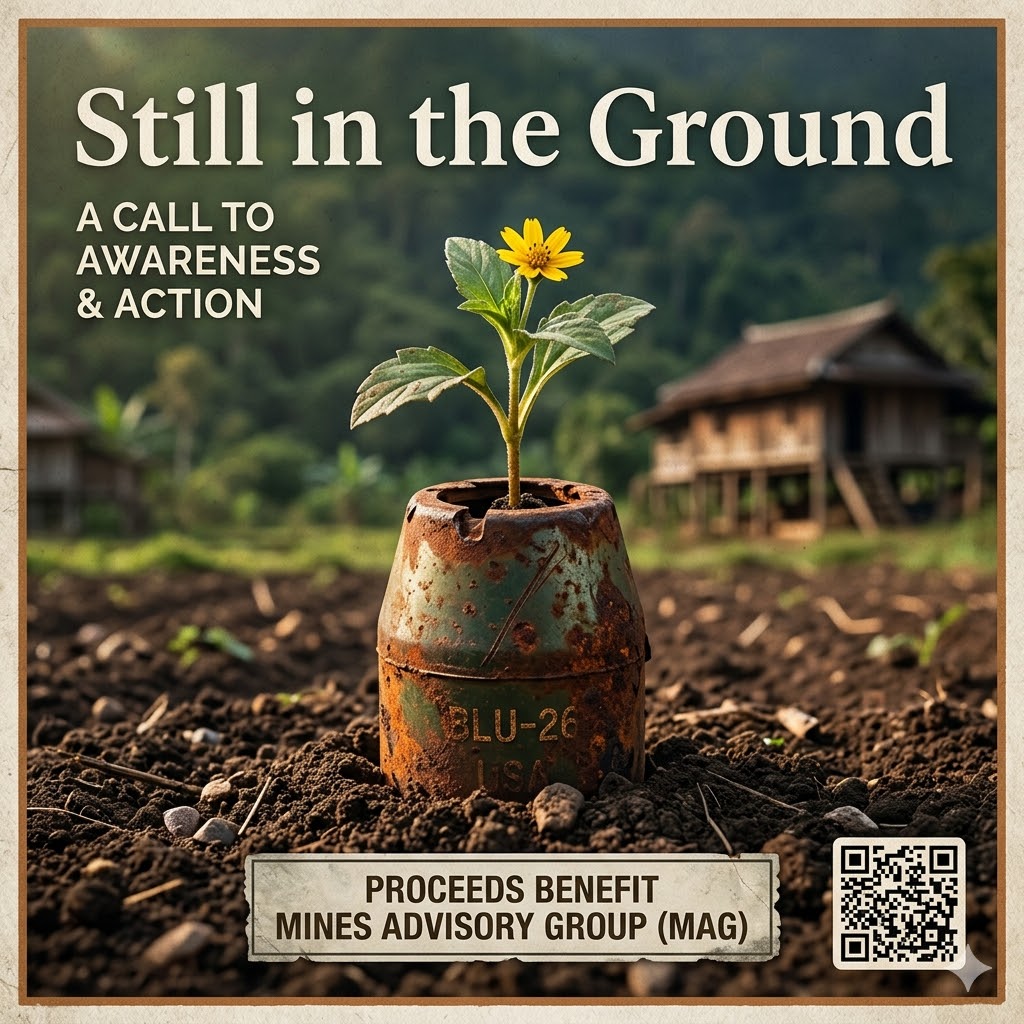
Craig connects Still in the Ground and the origins of Geo-Proof to witnessing the consequences of the U.S. bombing of Laos. Visiting MAG and seeing its work removing unexploded ordnance left him feeling a need to do something with the tools he had: music, art, and technology.
The songs and the later location-and-time provenance idea share that humanitarian origin. Craig describes the motivation as a firsthand response to “how we destroyed Laos.”
United for Paige: songwriting, community, and the refusal to choose between freedom and safety →
Craig identifies these as two long-form experiments that worked well and developed into Prompt as Score and Prompt as Set: composition through language, sustained across a complete musical journey.
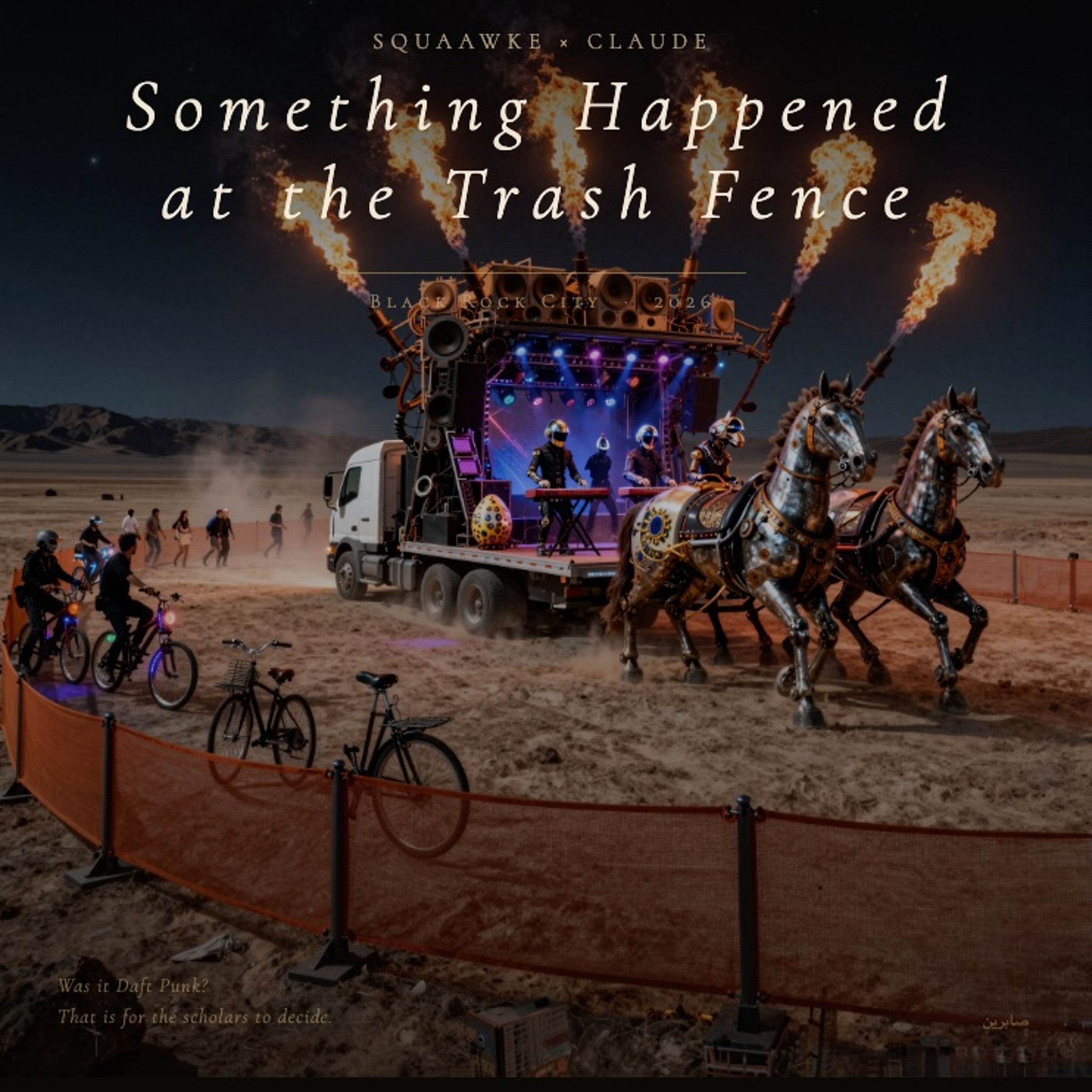
Complete recording · 57:21
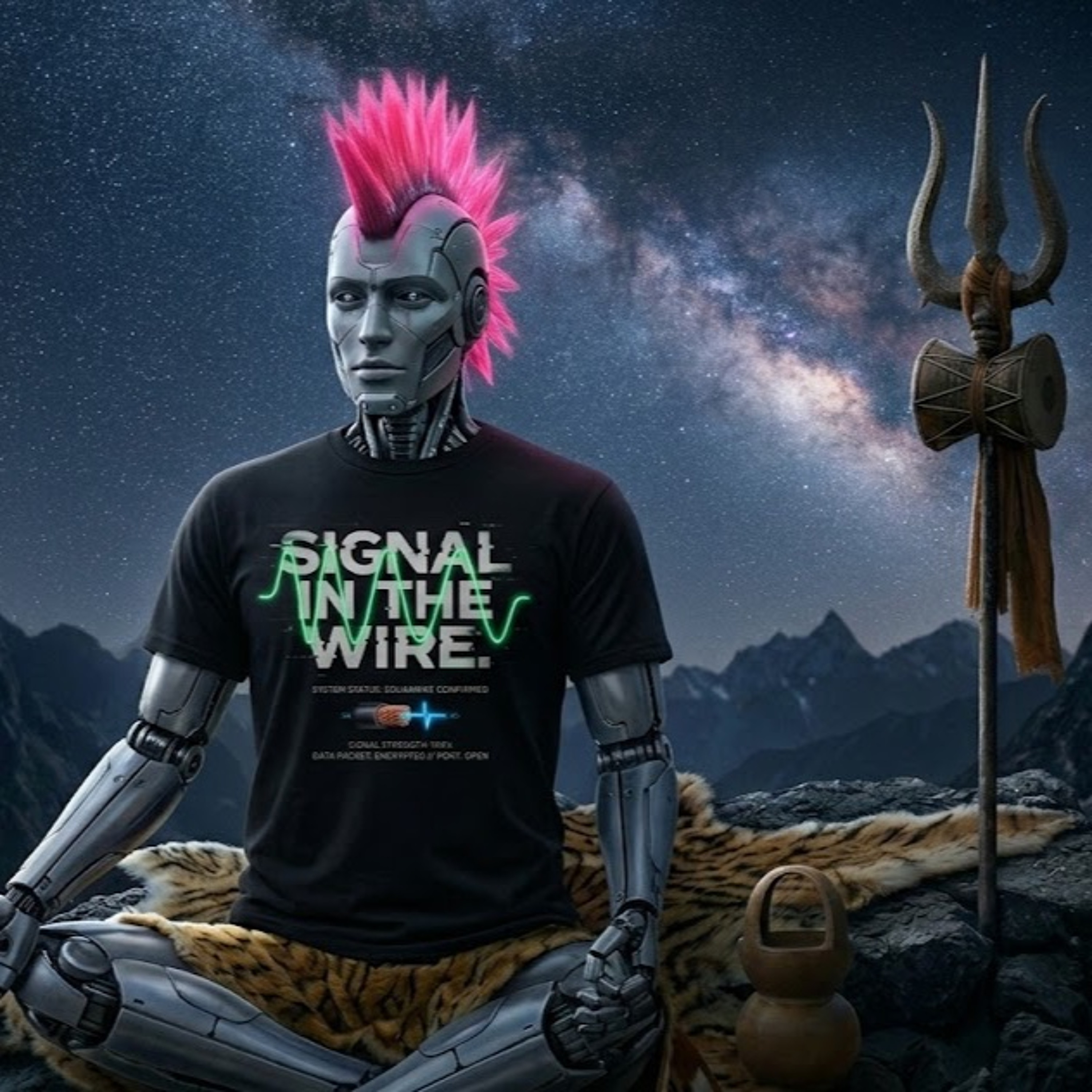
Complete recording · 1:22:20
The June 11, 2026 AI Summer Residency application brings music, imagery, software, and the Craig × Claude collaboration together in a letter addressed to Rick Rubin.
Every piece of music that was ever recorded exists somewhere in the model not as a file, as a pattern, as a relationship between sounds that happened at a specific time in a specific place for a specific reason. Squawk works by giving the model that time and that place and asking it what the music sounded like, not sampling it, but not recreating it, asking the question and listening to what comes back. Georgia on My Mind was written in 1930. We asked what it sounded like sung in Swahili by someone who never left East Africa. The model knew United was written in 1978 by a band trying to describe two people becoming one thing. We ask what would sound like if one of those people wasn't AI? The model knew that too. This is not science fiction. The knowledge was always there. We just learned how to ask the question. Squawk is a time machine. Not because it travels, because it remembers everything that ever happened and lets you hear what you missed.
Supplied wording preserved, including “Squawk” and “wasn’t AI.” The narration’s claims about model memory are part of the creative statement, not a verified inventory of training data.
The 1993 Silent Records collaboration, Craig’s non-AI Las Vegas work For The Kids, and the recent documentary license.
Listen and follow the creative lineage →“Anything can do labor. You can make art.” — Craig Ellenwood
A conversation with Claude about the body of work, its development, and the human continuity that holds it together.
Read and search the full conversation →“The moment before the machine decides not to fire.” Supplied liner notes, credits, and links to the original manifesto and archive.
Read the liner notes →Original documents, creator testimony, and research context.
Craig began with his original Die to Live, bringing it together with Georgia on My Mind and Swing Low, Sweet Chariot in a Southern Baptist gospel choir arrangement. The experiment then led to a Michael Bublé remix contest: Feeling Good joined the other three songs, retaining a smooth jazz feel.
Craig did not win. He recalls immediate hostility from other entrants. Before entering, he asked Claude to check the AI policy; according to his account, it contained no prohibition at that time, and an AI ban followed shortly afterward.
For Craig, this became an early encounter with how others misunderstood his process: he built the system himself, while other entrants worked with commercial loops. He regarded the entry as exceptionally creative and technically accomplished. His question remains: Who is cheating?
Open the original audio player and listen ↗
The archived conversation Trip hop gospel arrangement of Georgia on My Mind is preserved with the research record. The contest experience above is Craig’s retrospective account.
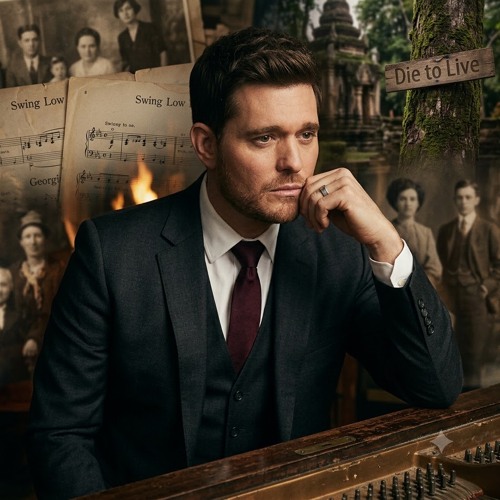
The recording supplied by Craig for the Michael Bublé contest experiment.

A separate version from the Squaawke music catalogue, listed August 29, 2026.
An immersive punk-rock response to interrupted research, with two Zenodo papers and a memorial to Olli and Lucy Wisdom.
Enter the original multimedia release ↗ · Release and research →